NEW: The 2026 Cargo Theft Prevention Playbook
NEW: The 2026 Cargo Theft Prevention Playbook
The 2026 Cargo Theft Playbook
Download
Download


Protect your 3PL from rising threats of cargo theft
June 16, 2026

The Conduit Team

Protect your 3PL from rising threats of cargo theft
June 16, 2026
The Conduit Team
Protect your 3PL from rising threats of cargo theft
June 16, 2026
The Conduit Team
Protect your 3PL from rising threats of cargo theft
June 16, 2026
The Conduit Team
As of 2026, cargo theft incidents are up 18% year over year with average losses exceeding $273,000. That means a single incident can wipe out an entire year or more of profitability—and most 3PLs aren’t prepared to deter thieves or limit loss if theft does occur.
The reality is modern cargo thieves have evolved their tactics. Stopping them requires embedding visibility, verification, and complete documentation into how you already operate.
Read on to learn how to protect your business and your customers from the rising threat of cargo theft.
Cargo thieves are more organized and strategic than ever
Theft increases are a result of more strategic thieves. Organized rings assign roles, plan logistics, and execute heists with the same coordination as legitimate businesses.
They may try to infiltrate digital systems through compromised accounts and phishing attacks to gather intelligence before they ever show up at your gate. When they arrive, they may look like any other driver, armed with false credentials to impersonate real drivers. In some cases, they may operate behind fake motor carrier numbers that pass a surface-level check. By the time they’re at your dock, it may be too late to stop them without risks of physical harm.
Typical security measures can’t prevent them from entering your site. That’s because today’s cargo thieves exploit operational gaps, such as outdated driver verification and documentation inconsistencies during arrivals and loading.
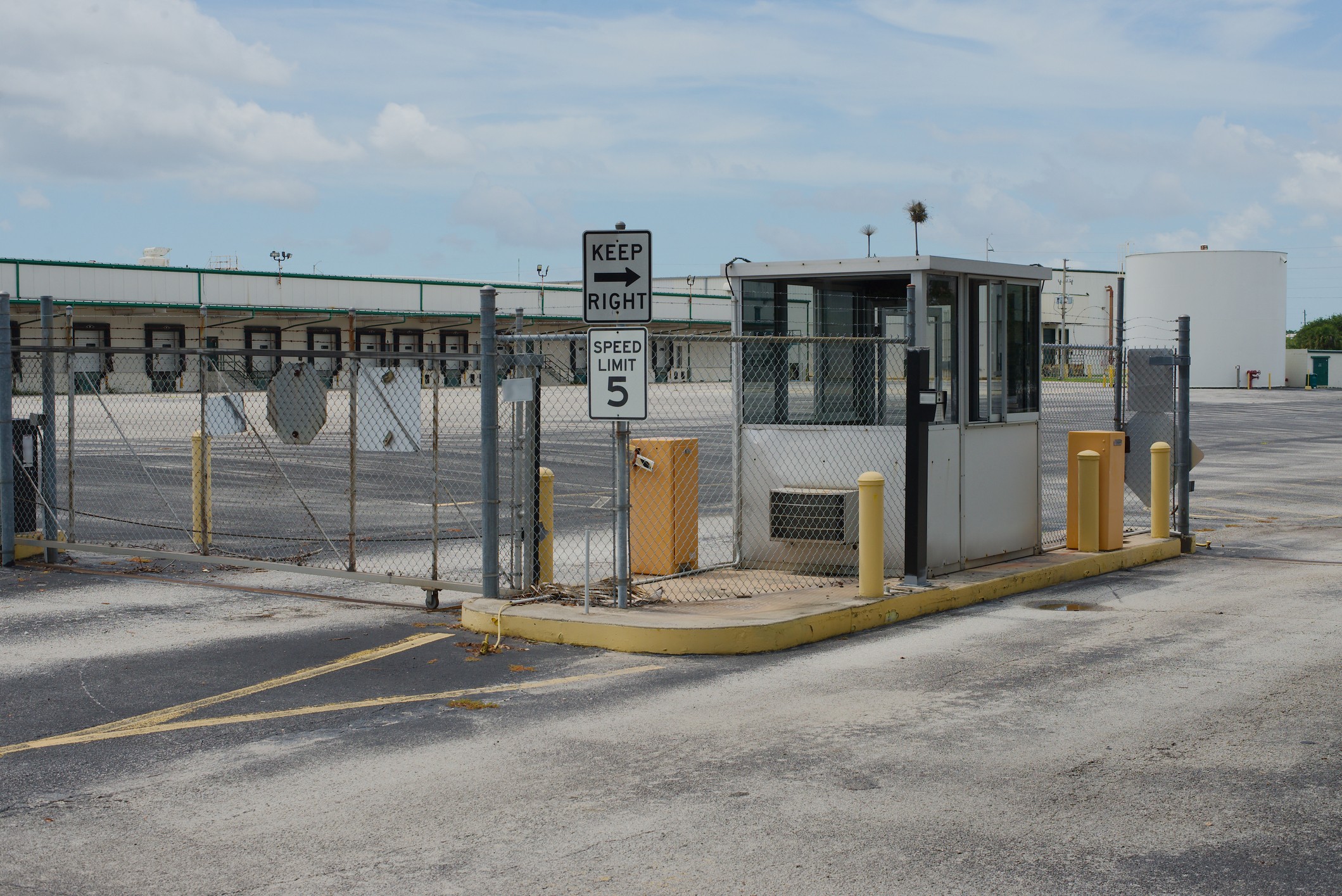
Embed cargo theft prevention into your operations
For more effective theft prevention, 3PLs must embed system-led procedures that occur automatically within workflows. When you implement them as part of your daily operations, you eliminate the risk of human error, including common mistakes like missed steps and checks or mismatched documentation.
Appointment-only access
Require pre-booked appointments with confirmed carrier, driver, and load details before letting anyone onto your site. Let your system maintain your guardrails, prohibiting anyone from making appointments until they provide all mandatory information.
This means you can easily flag any walk-up or unscheduled pickup and escalate the matter as needed. Administrative staff don’t have to worry about catching details when things get busy or risk confrontation with potentially dangerous thieves. Driver identity verification
Contactless driver verification
Match the person at your gate to the appointment on record, using CDL scans and self-images captured at check-in. If a thief is impersonating a real driver, this can help you catch mismatches between official records and bad actors. When information doesn’t line up, you can deny entry and keep thieves from getting near your customers’ goods.
Document and load matching
Cross-reference BOLs, PO numbers, and load details digitally within your system. If documentation is off, staff will see where the discrepancy is and can intervene to confirm accuracy or determine a theft threat. Additionally, back up your recordkeeping with photo proof, capturing timestamped images at every handoff to create an immutable record of the condition of cargo at every event.
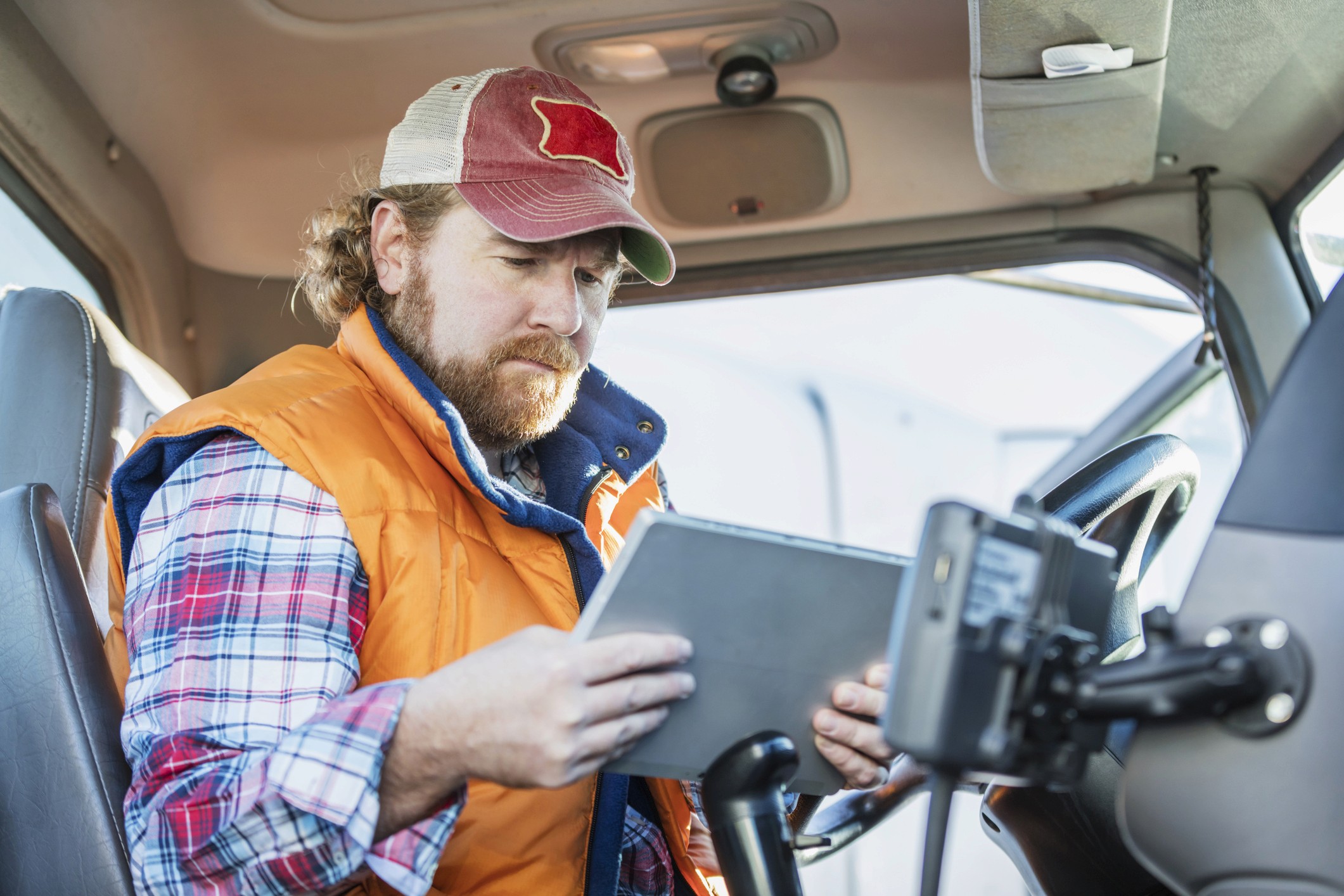
Insurance isn't always the safety net 3PLs may expect
Some 3PLs may assume cargo insurance will cover losses due to theft, but it’s an assumption worth double-checking.
Standard business insurance may not cover the value of cargo or cargo theft.
Some theft coverage may exclude losses caused by driver fraud, deceptive pickups, and voluntary handoffs.
Care, custody, and control limitations can narrow coverage during transloading or staging.
Even when coverage applies in principle, claim outcomes may depend on what you can prove. Insurers control the process, and they typically ask for extensive documentation. If you don’t have that documentation, investigations can drag, costing you time, effort, and customer trust and risking disengagement from investigators, which could impact outcomes.
Build a documentation record to resolve claims faster
If unavoidable loss occurs, your response can impact what happens next. Consider whether or not your 3PL can easily provide the types of evidence that insurers and law enforcement are likely to request.
Chain of custody records that tie to BOLs and PO numbers, linking every movement to a shipment record
Asset and seal tracking with change notifications to prove if authorized or unauthorized access
Access and activity logs capturing who was on-site, when they arrived, and exactly where transfers occurred
Timestamped visual evidence at every handoff, including CDL scans and driver self-images, to back records with airtight proof

When that documentation is organized and searchable, it’s easier to file complete insurance claims and provide law enforcement with everything they need to write reports and investigate. Customers are also likely to appreciate a fast, transparent response to show you’re helping resolve the matter as smoothly as possible.
Overcome common risks with system-led workflows
The traditional response to cargo theft is to add headcount at the gate and front desk—but that approach is costly, inconsistent, and doesn't scale. Any increase in traffic or a new site requires more staff, and human checks are only as reliable as the person performing them on any given shift.
Automating verification, cross-checks, and photo capture through your dock and yard workflows gives you consistent coverage without the overhead. The result is a single system of record that centralizes data across your sites, makes compliance continuous rather than episodic, and gives your team clear guidance without adding confusion or burden.
Turn operational visibility into a competitive advantage
Every 3PL claims to be secure and reliable. The ones that can prove it win contracts, retain customers through incidents, and build businesses that can withstand when things go wrong.
A centralized operational record changes how you handle issues. Customers who can see timestamped documentation of every handoff feel more confident. Partners who can access clear records stay collaborative rather than adversarial. And when it's time to renew insurance, a documented history of protocols and procedures can strengthen your position.
3PLs that respond with system-led operations versus costly, reactive measures are best positioned to protect their margins, their customers, and their reputation.
Learn more about how Conduit embeds loss prevention directly into yard and dock management with modular solutions for scheduling, check-in and photo proof. Take a self-guided tour now.
As of 2026, cargo theft incidents are up 18% year over year with average losses exceeding $273,000. That means a single incident can wipe out an entire year or more of profitability—and most 3PLs aren’t prepared to deter thieves or limit loss if theft does occur.
The reality is modern cargo thieves have evolved their tactics. Stopping them requires embedding visibility, verification, and complete documentation into how you already operate.
Read on to learn how to protect your business and your customers from the rising threat of cargo theft.
Cargo thieves are more organized and strategic than ever
Theft increases are a result of more strategic thieves. Organized rings assign roles, plan logistics, and execute heists with the same coordination as legitimate businesses.
They may try to infiltrate digital systems through compromised accounts and phishing attacks to gather intelligence before they ever show up at your gate. When they arrive, they may look like any other driver, armed with false credentials to impersonate real drivers. In some cases, they may operate behind fake motor carrier numbers that pass a surface-level check. By the time they’re at your dock, it may be too late to stop them without risks of physical harm.
Typical security measures can’t prevent them from entering your site. That’s because today’s cargo thieves exploit operational gaps, such as outdated driver verification and documentation inconsistencies during arrivals and loading.
Embed cargo theft prevention into your operations
For more effective theft prevention, 3PLs must embed system-led procedures that occur automatically within workflows. When you implement them as part of your daily operations, you eliminate the risk of human error, including common mistakes like missed steps and checks or mismatched documentation.
Appointment-only access
Require pre-booked appointments with confirmed carrier, driver, and load details before letting anyone onto your site. Let your system maintain your guardrails, prohibiting anyone from making appointments until they provide all mandatory information.
This means you can easily flag any walk-up or unscheduled pickup and escalate the matter as needed. Administrative staff don’t have to worry about catching details when things get busy or risk confrontation with potentially dangerous thieves. Driver identity verification
Contactless driver verification
Match the person at your gate to the appointment on record, using CDL scans and self-images captured at check-in. If a thief is impersonating a real driver, this can help you catch mismatches between official records and bad actors. When information doesn’t line up, you can deny entry and keep thieves from getting near your customers’ goods.
Document and load matching
Cross-reference BOLs, PO numbers, and load details digitally within your system. If documentation is off, staff will see where the discrepancy is and can intervene to confirm accuracy or determine a theft threat. Additionally, back up your recordkeeping with photo proof, capturing timestamped images at every handoff to create an immutable record of the condition of cargo at every event.
Insurance isn't always the safety net 3PLs may expect
Some 3PLs may assume cargo insurance will cover losses due to theft, but it’s an assumption worth double-checking.
Standard business insurance may not cover the value of cargo or cargo theft.
Some theft coverage may exclude losses caused by driver fraud, deceptive pickups, and voluntary handoffs.
Care, custody, and control limitations can narrow coverage during transloading or staging.
Even when coverage applies in principle, claim outcomes may depend on what you can prove. Insurers control the process, and they typically ask for extensive documentation. If you don’t have that documentation, investigations can drag, costing you time, effort, and customer trust and risking disengagement from investigators, which could impact outcomes.
Build a documentation record to resolve claims faster
If unavoidable loss occurs, your response can impact what happens next. Consider whether or not your 3PL can easily provide the types of evidence that insurers and law enforcement are likely to request.
Chain of custody records that tie to BOLs and PO numbers, linking every movement to a shipment record
Asset and seal tracking with change notifications to prove if authorized or unauthorized access
Access and activity logs capturing who was on-site, when they arrived, and exactly where transfers occurred
Timestamped visual evidence at every handoff, including CDL scans and driver self-images, to back records with airtight proof
When that documentation is organized and searchable, it’s easier to file complete insurance claims and provide law enforcement with everything they need to write reports and investigate. Customers are also likely to appreciate a fast, transparent response to show you’re helping resolve the matter as smoothly as possible.
Overcome common risks with system-led workflows
The traditional response to cargo theft is to add headcount at the gate and front desk—but that approach is costly, inconsistent, and doesn't scale. Any increase in traffic or a new site requires more staff, and human checks are only as reliable as the person performing them on any given shift.
Automating verification, cross-checks, and photo capture through your dock and yard workflows gives you consistent coverage without the overhead. The result is a single system of record that centralizes data across your sites, makes compliance continuous rather than episodic, and gives your team clear guidance without adding confusion or burden.
Turn operational visibility into a competitive advantage
Every 3PL claims to be secure and reliable. The ones that can prove it win contracts, retain customers through incidents, and build businesses that can withstand when things go wrong.
A centralized operational record changes how you handle issues. Customers who can see timestamped documentation of every handoff feel more confident. Partners who can access clear records stay collaborative rather than adversarial. And when it's time to renew insurance, a documented history of protocols and procedures can strengthen your position.
3PLs that respond with system-led operations versus costly, reactive measures are best positioned to protect their margins, their customers, and their reputation.
Learn more about how Conduit embeds loss prevention directly into yard and dock management with modular solutions for scheduling, check-in and photo proof. Take a self-guided tour now.
As of 2026, cargo theft incidents are up 18% year over year with average losses exceeding $273,000. That means a single incident can wipe out an entire year or more of profitability—and most 3PLs aren’t prepared to deter thieves or limit loss if theft does occur.
The reality is modern cargo thieves have evolved their tactics. Stopping them requires embedding visibility, verification, and complete documentation into how you already operate.
Read on to learn how to protect your business and your customers from the rising threat of cargo theft.
Cargo thieves are more organized and strategic than ever
Theft increases are a result of more strategic thieves. Organized rings assign roles, plan logistics, and execute heists with the same coordination as legitimate businesses.
They may try to infiltrate digital systems through compromised accounts and phishing attacks to gather intelligence before they ever show up at your gate. When they arrive, they may look like any other driver, armed with false credentials to impersonate real drivers. In some cases, they may operate behind fake motor carrier numbers that pass a surface-level check. By the time they’re at your dock, it may be too late to stop them without risks of physical harm.
Typical security measures can’t prevent them from entering your site. That’s because today’s cargo thieves exploit operational gaps, such as outdated driver verification and documentation inconsistencies during arrivals and loading.
Embed cargo theft prevention into your operations
For more effective theft prevention, 3PLs must embed system-led procedures that occur automatically within workflows. When you implement them as part of your daily operations, you eliminate the risk of human error, including common mistakes like missed steps and checks or mismatched documentation.
Appointment-only access
Require pre-booked appointments with confirmed carrier, driver, and load details before letting anyone onto your site. Let your system maintain your guardrails, prohibiting anyone from making appointments until they provide all mandatory information.
This means you can easily flag any walk-up or unscheduled pickup and escalate the matter as needed. Administrative staff don’t have to worry about catching details when things get busy or risk confrontation with potentially dangerous thieves. Driver identity verification
Contactless driver verification
Match the person at your gate to the appointment on record, using CDL scans and self-images captured at check-in. If a thief is impersonating a real driver, this can help you catch mismatches between official records and bad actors. When information doesn’t line up, you can deny entry and keep thieves from getting near your customers’ goods.
Document and load matching
Cross-reference BOLs, PO numbers, and load details digitally within your system. If documentation is off, staff will see where the discrepancy is and can intervene to confirm accuracy or determine a theft threat. Additionally, back up your recordkeeping with photo proof, capturing timestamped images at every handoff to create an immutable record of the condition of cargo at every event.
Insurance isn't always the safety net 3PLs may expect
Some 3PLs may assume cargo insurance will cover losses due to theft, but it’s an assumption worth double-checking.
Standard business insurance may not cover the value of cargo or cargo theft.
Some theft coverage may exclude losses caused by driver fraud, deceptive pickups, and voluntary handoffs.
Care, custody, and control limitations can narrow coverage during transloading or staging.
Even when coverage applies in principle, claim outcomes may depend on what you can prove. Insurers control the process, and they typically ask for extensive documentation. If you don’t have that documentation, investigations can drag, costing you time, effort, and customer trust and risking disengagement from investigators, which could impact outcomes.
Build a documentation record to resolve claims faster
If unavoidable loss occurs, your response can impact what happens next. Consider whether or not your 3PL can easily provide the types of evidence that insurers and law enforcement are likely to request.
Chain of custody records that tie to BOLs and PO numbers, linking every movement to a shipment record
Asset and seal tracking with change notifications to prove if authorized or unauthorized access
Access and activity logs capturing who was on-site, when they arrived, and exactly where transfers occurred
Timestamped visual evidence at every handoff, including CDL scans and driver self-images, to back records with airtight proof
When that documentation is organized and searchable, it’s easier to file complete insurance claims and provide law enforcement with everything they need to write reports and investigate. Customers are also likely to appreciate a fast, transparent response to show you’re helping resolve the matter as smoothly as possible.
Overcome common risks with system-led workflows
The traditional response to cargo theft is to add headcount at the gate and front desk—but that approach is costly, inconsistent, and doesn't scale. Any increase in traffic or a new site requires more staff, and human checks are only as reliable as the person performing them on any given shift.
Automating verification, cross-checks, and photo capture through your dock and yard workflows gives you consistent coverage without the overhead. The result is a single system of record that centralizes data across your sites, makes compliance continuous rather than episodic, and gives your team clear guidance without adding confusion or burden.
Turn operational visibility into a competitive advantage
Every 3PL claims to be secure and reliable. The ones that can prove it win contracts, retain customers through incidents, and build businesses that can withstand when things go wrong.
A centralized operational record changes how you handle issues. Customers who can see timestamped documentation of every handoff feel more confident. Partners who can access clear records stay collaborative rather than adversarial. And when it's time to renew insurance, a documented history of protocols and procedures can strengthen your position.
3PLs that respond with system-led operations versus costly, reactive measures are best positioned to protect their margins, their customers, and their reputation.
Learn more about how Conduit embeds loss prevention directly into yard and dock management with modular solutions for scheduling, check-in and photo proof. Take a self-guided tour now.
Get Started
Resources
Contact
Copyright © 2026. All Rights Reserved
Copyright © 2026. All Rights Reserved
🇺🇸 Based in the USA
🇺🇸 Based in the USA